Lord of the Flies

Panel 1 image

The Trail Runners Guide to Horseflies

A bloodstained guide to managing horsefly harrassment. In this Wildlife Story, you will learn to:

  1. Train horseflies.
  2. Earn their trust.
  3. Abuse that trust. Horribly.
Warning! Some horseflies in this story were killed or injured.

Panel 2 image

Worst Case Running

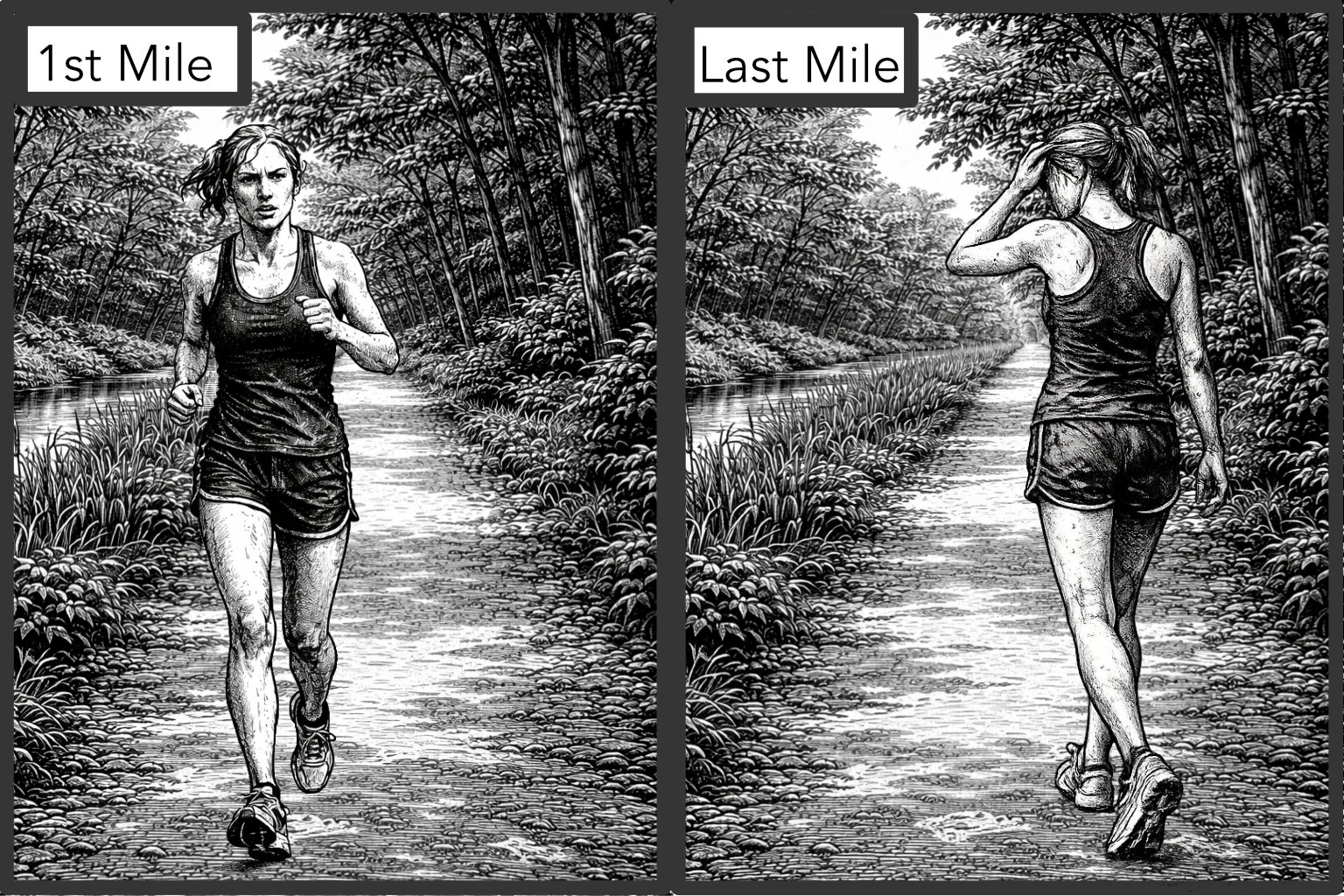
Summer afternoon runs in Missouri are a slog. The 100+ temps and 99% humidity turn sweat into a warm, wet blanket hugging you all over. Like a lot of olds, I've lost the ability to acclimate to heat. But the few of us that are out here, young and old, all run with the same MO; peppy on the out route, barely surviving on the return. By the last couple miles, we're just shuffling along, or have given up entirely, slow walking back. And then, of course, there are the horseflies.

Panel 3 image

Violent Femmes

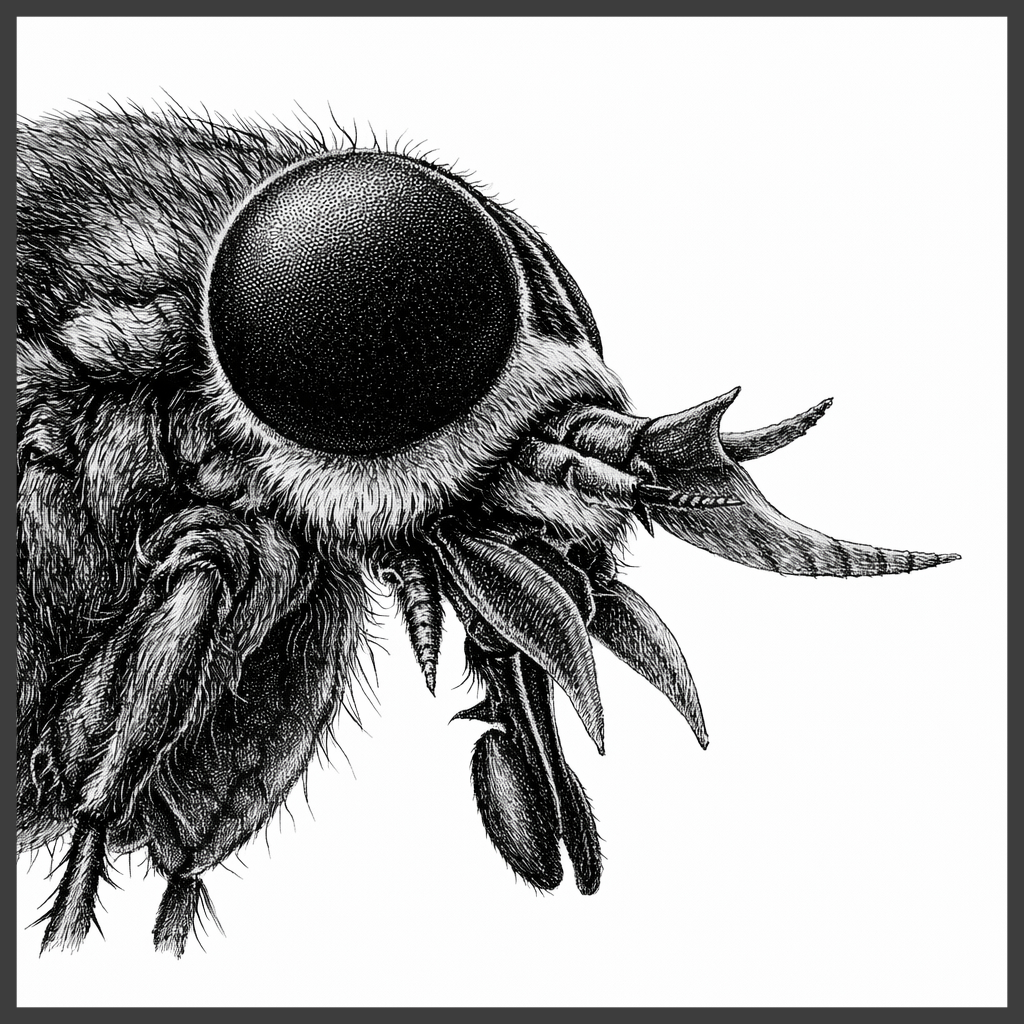
Horseflies ignore us most of the year, feeding only on plant sap and nectar. But in summer, the female fly needs blood meals to nourish her brood. To that end, she sports an impressive predator toolkit:

  • Slashing, piercing, and sucking mouth parts,
  • Split second mid-air stops and direction changes, top speeds of 60 mph, and
  • Vision, vibration, and air movement processing speed 10 times that of mammals.
Panel 3 image

Moveable Feast

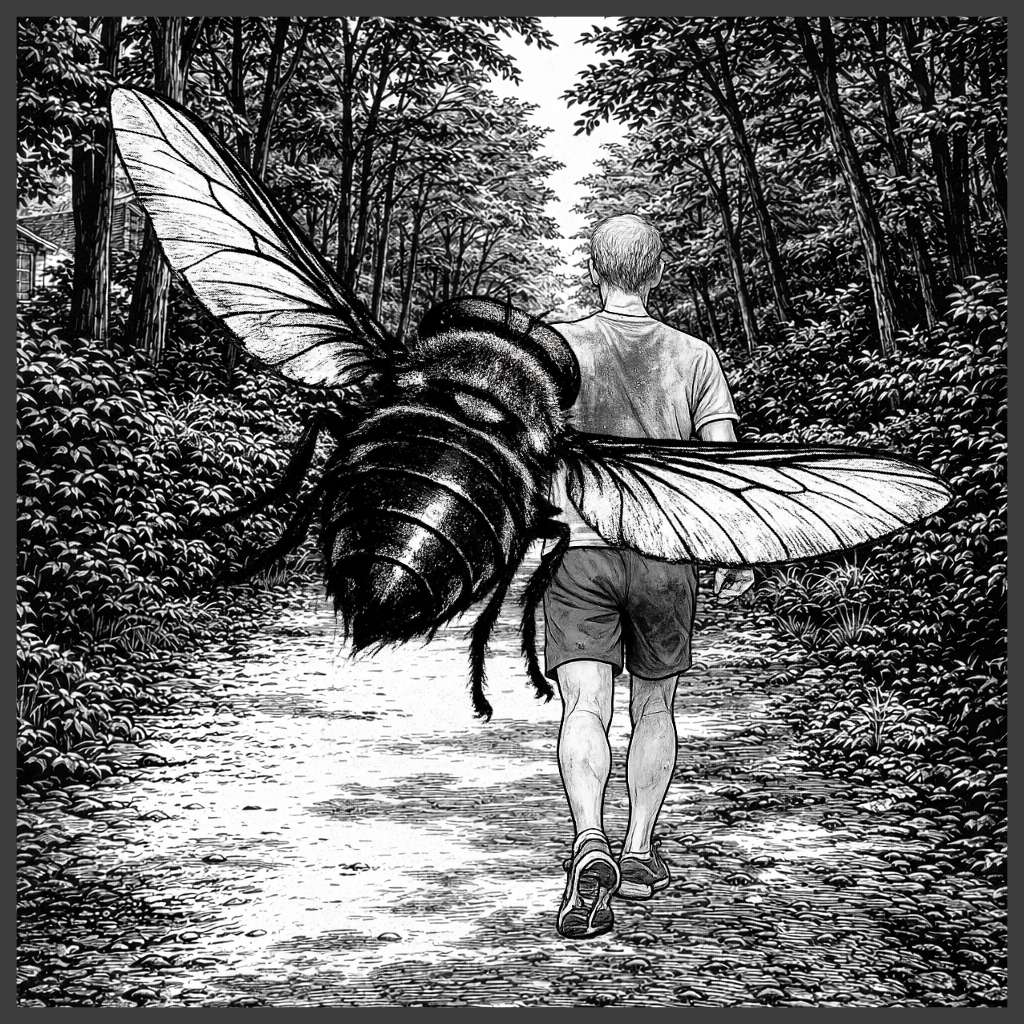
The local trail system comprises 190 miles of mostly wooded rail trail. And each ~1.5 miles of that trail is the territory of one female horsefly. When a large mammal happens by, she lands, bites in, and takes a blood meal. I myself am a large mammal, and my summer runs feature a ballet of continuous swats, feints, and hand waving intended to keep those medieval mouth parts from my flesh. But, now, after 15 years and 20,000 miles on my trail, I'm starting to feel a bit territorial, too. As I trudge the final mile back, an idea--or call it an experiment--is taking shape.

Panel 5 image

The Method Part 1. Origins

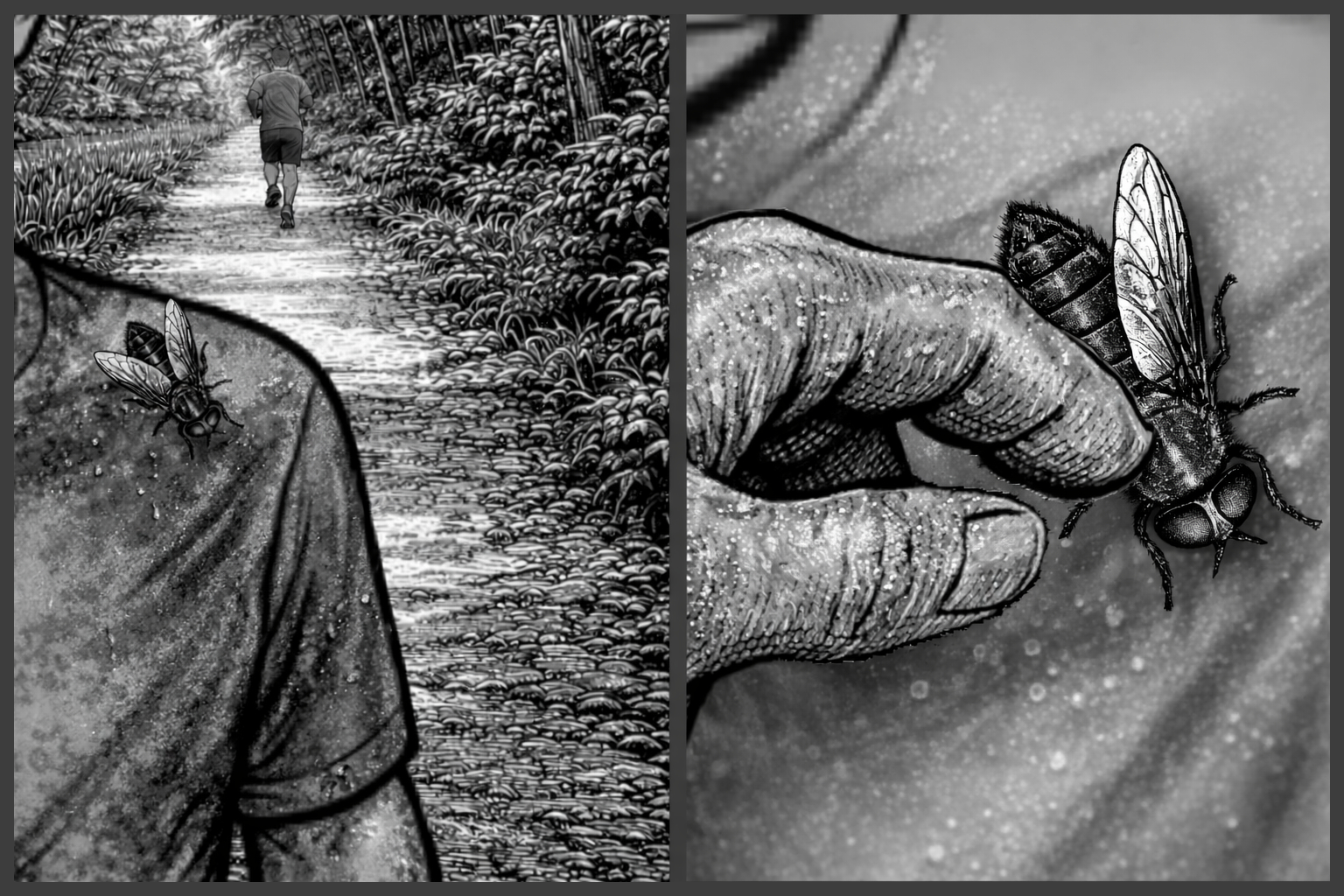
On the next run, I don't wave or swat, and a fly conveniently lands on my shoulder within easy reach. After a few seconds, I feel her posture change--sort of a hunker, and then feel her pierce the skin; deeper and duller than a bee sting, and about as painful. I count to 3, then gently nudge her to scare her off. But she surprises me. She simply stirs drowsily--awake but preoccupied. I pluck her off with thumb and forefinger and drop her. Instead of falling to the ground, she comes to her senses mid-air, and resumes her harassment. I'm elated at the useful information gained: 1. An actively feeding horsefly is oblivious to threat. 2. Discouraging her attentions requires a more emphatic gesture than a gentle brush off.

Panel 6 image

The Method Part 2. Training

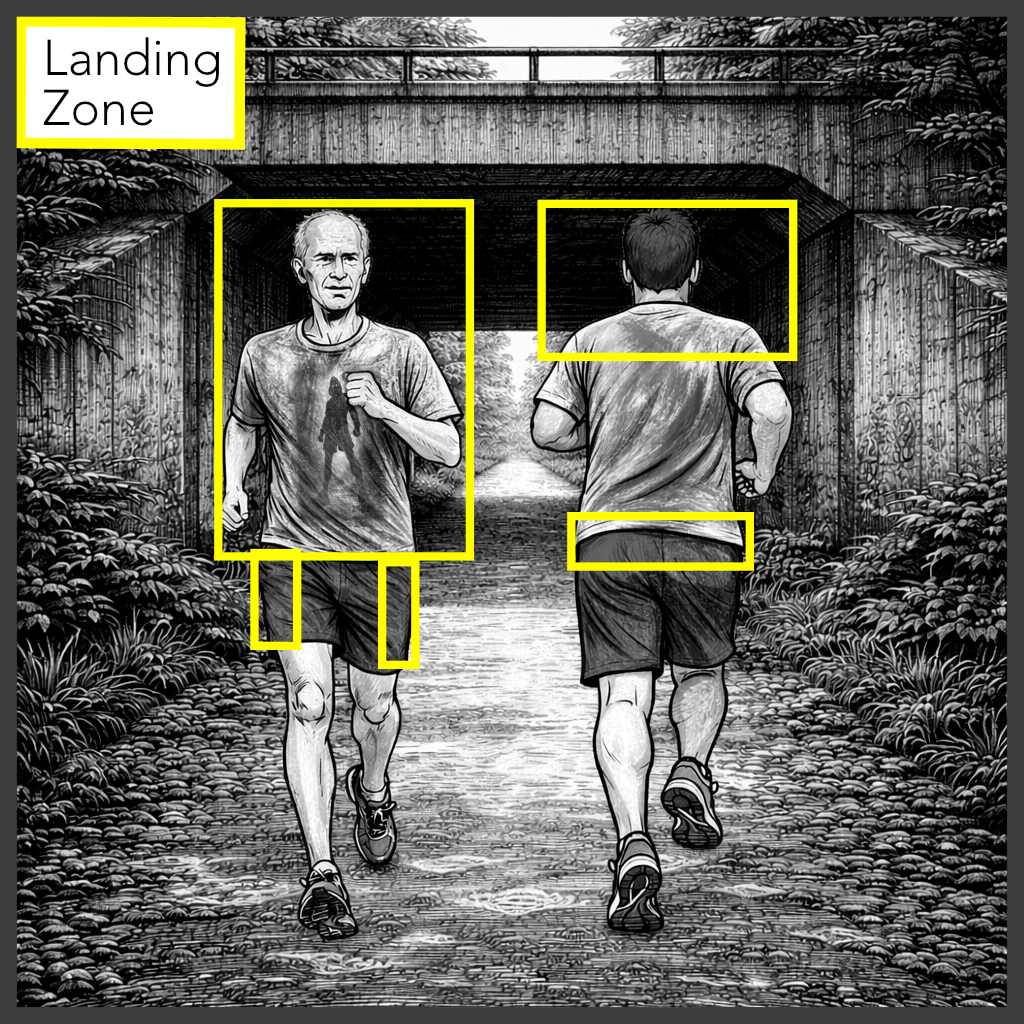
Now in a new territory with a fresh fly, we run along together as if teammates. I teach her to land within my reach:

  1. When she lands on my back or legs, I swat at her.
  2. When she lands within easy reach (the Landing Zone), I do nothing.
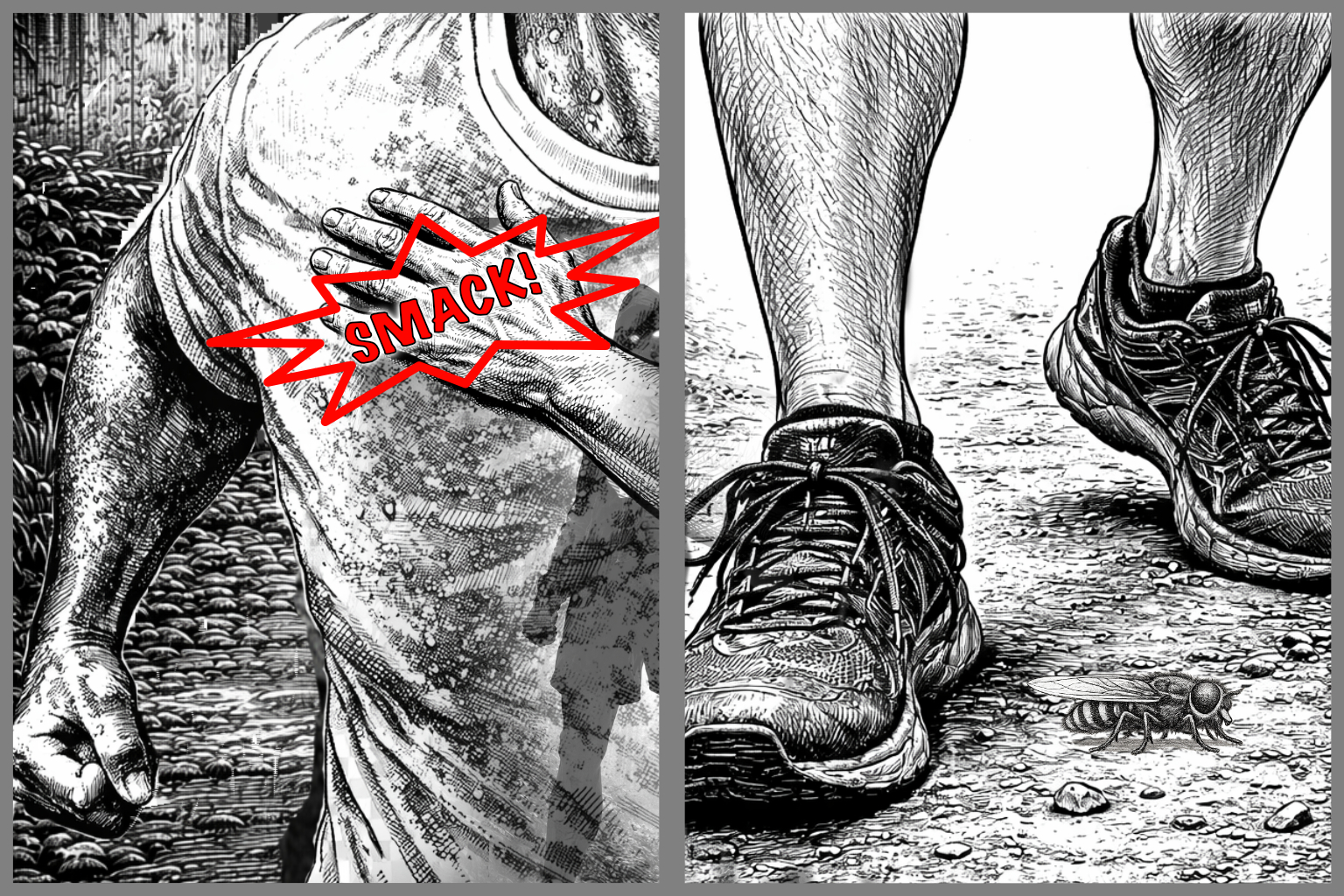
She quickly catches on, and after some touch-and-goes in the Landing Zone, she settles on my chest. I feel the posture change, feel the sting, count three seconds and then smack her, hard. She drops to the ground, motionless. I stop running for a close look. She looks okay, and when I nudge her, she flies away. Horseflies can take a punch.

Panel 7 image

The Method Part 3. Free Fire Zone

From then on, the misery of summer slogs is punctuated by the interesting sport of training, feeding, and assaulting horseflys. Most of my runs in summer are 3-6 mile out and backs, and I knock out about 1 fly every 1.5 miles on the outroute, and almost never see one on the return. Assuming some flies survive the swat, they must be remembering their encounter and waiting for a more compliant mammal.

Panel 8 image

Notes

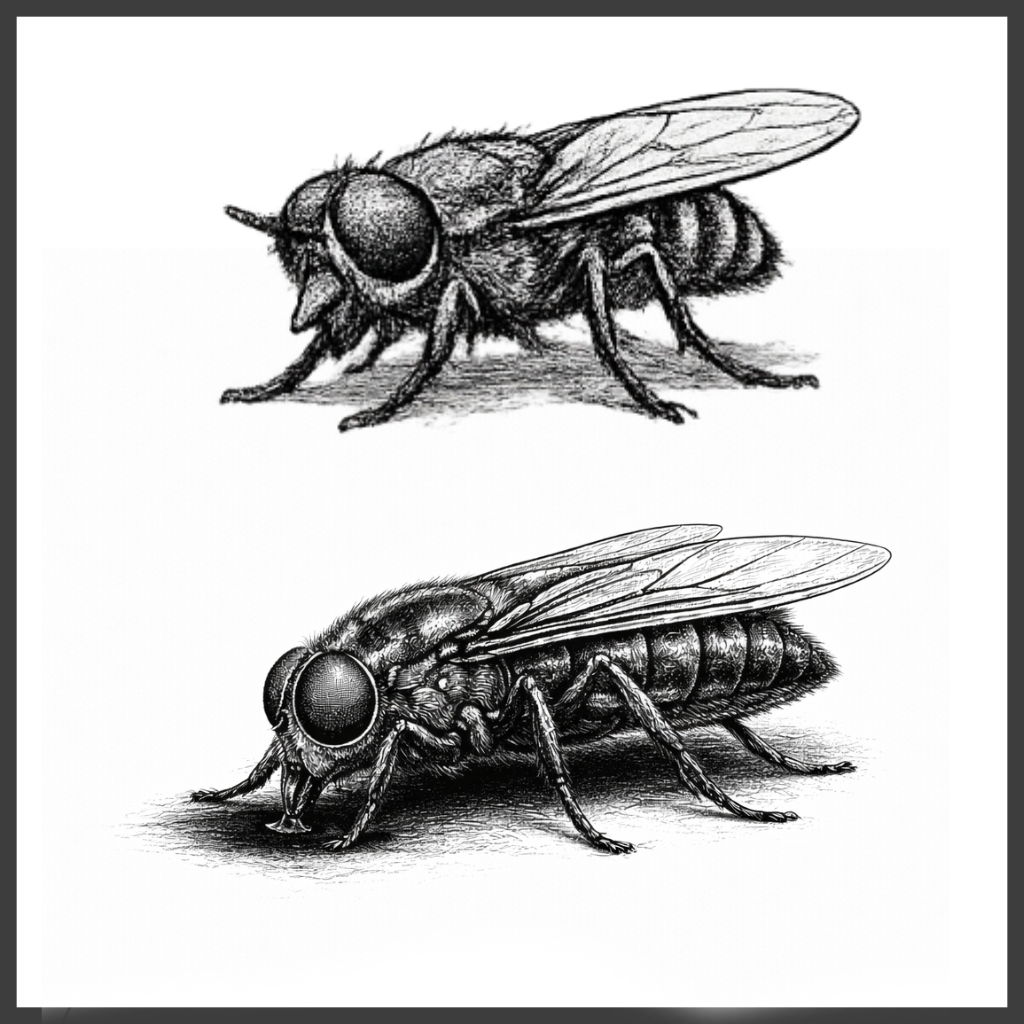
  • The image is of a fly at rest (top) and a fly feeding. The feeding fly's wings are slightly spread, relaxed. The body is tilted down toward the head, and the legs are spread. The mouth parts are fully engaged, buried in the host. Contrary to the impression given in the narrative, the horsefly isn't technically a blood sucker. It's mouth parts include flaps and tubes that enable it to lap up, not suck, the blood.
  • Perplexity reports that an undisturbed horsefly will feed for half an hour or longer.
  • To my surprise, the Ladies were remarkably uniform in their aggression, persistence, and learning ability: I never had to wait for a fly as I entered its territory, every fly quickly learned the rules, and no fly ever gave up when confined to permitted areas.
  • I actually did the permitted/forbidden zones training during the first experiment (Origins), but I split the description into two parts for clarity.
  • I no longer run (hip replacement). Horseflies everywhere are safe.
  • Despite riding bikes for far more time and miles on the same trail system, horseflies were only casual in their harassment. They'd give up after a few swipes, and rarely bothered to do even that. My personal and ignorant theories on the why include:
    • Too fast. They didn't think it worth the energy burn of faster flight and greater wind resistance.
    • Not smelly enough. Sweat readily evaporates at bike speeds, and a rider may not be as enticing a target.
    • Too dangerous (my favorite). A seated rider can swat any part of their body, has a stable platform from which to launch an effective swat, and can keep body parts motionless while launching a swat.
  • I found no confirmation from ChatGPT or Perplexity of my observation that female flies defend territory, but found some weak disconfirmation. But I'm convinced I'm correct. Here are two strongly confirming anecdotes: I was never harassed by more than one fly, the same fly, in a stretch of trail from 1 to 2 miles long. Nor did I ever observe more than one fly at any time on my runs.
  • And finally: Mea culpa. This is an ugly story about the needless slaughter of an animal trying to survive and ensure the survival of future generations. I'm proud of my creative problem solving, and I enjoyed the benefits of less miserable and more interesting runs. But I took no pleasure in the killing. I smacked the flies as lightly as possible, in order to assure the highest probable survival rate. But a too-light slap would only wake them up enough to resume the harassment; the slap had to be hard enough to stun. So keep an eye out for the spinoff in which I get my just deserts: "Heap in Horsefly Hell;" laugh and jeer as heapingscorn is doomed forever to run on scorching trails, tormented by huge, horsefly hell demons.